
I Want to Learn Tennis as an Adult. Where Do I Even Start?
April 28, 2026
Learning tennis as an adult isn't the same as learning as a child, and most advice online ignores that. A practical, no-nonsense guide to starting tennis in your 30s, 40s or 50s — without embarrassment, without wasting money, and without committing to a sport you're not sure you'll stick with.
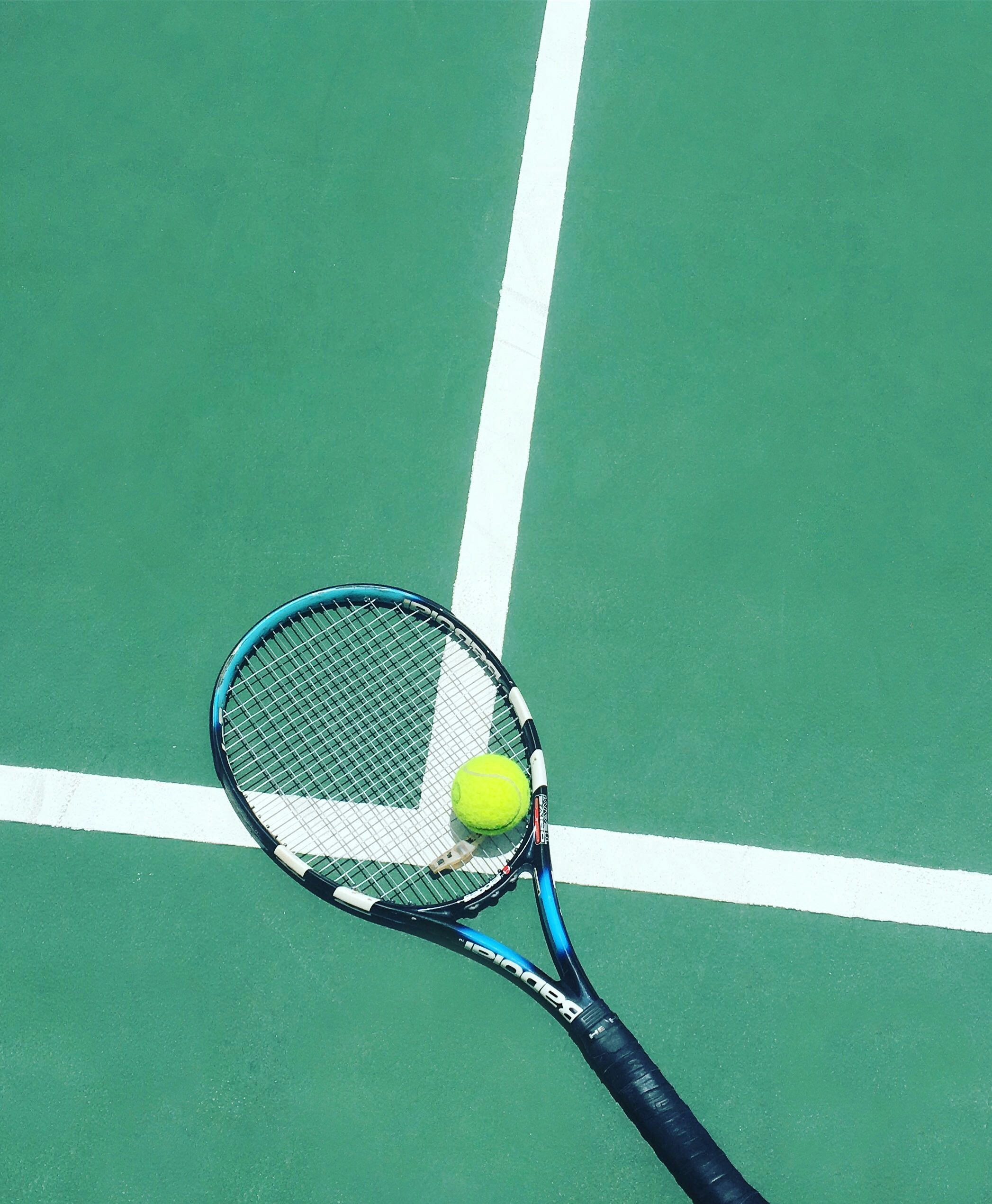
Learning tennis in your 30s, 40s, or 50s isn't the same as learning it as a child — and most of the advice online ignores that. This is a practical guide for adult beginners who want to start properly, without embarrassing themselves, without wasting money, and without committing to a sport they're not sure they'll stick with.
The real first question: why now?
Most adults come to tennis for one of three reasons. Knowing which one you are changes what you should do first.
- You want to get into a sport that's social, outdoors, and lasts a lifetime. Then you need people to play with. Start with group lessons at a club, not solo practice.
- You had a partner, a spouse, or a friend who plays, and you want to keep up. Then you need to build basic strokes fast. Start with individual coaching and a ball machine, not group lessons.
- You played as a kid and want to come back. Then you don't really need lessons — you need reps. Start with a ball machine to rebuild muscle memory, add matches later.
Be honest about which one you are. The path is different for each.
The embarrassment problem
Nobody wants to talk about this, but it's the single biggest reason adults quit before they start: you don't want to be watched while you're bad at something. Especially at a tennis club, where the culture can be cliquey and there are always a few regulars sitting on the terrace.
There are three ways to handle this:
- Find a club with a genuinely friendly beginner culture. They exist. Ask around. Look for clubs that run adult beginner groups — that's a good signal.
- Take private lessons. More expensive, but nobody watches you except the coach.
- Use a self-service facility for the first month. A closed, automated court (like Playbox Courts in Plovdiv) removes the audience entirely. You can figure out the basics with a ball machine, then graduate to a traditional club when you're not terrified anymore.
None of these are wrong. Pick the one that fits how you actually feel.
What you actually need to buy
The tennis industry wants to sell you a lot. You need very little to start:
- A racket. Borrow or rent for the first month. Don't buy until you've played at least 5–10 times. Beginner rackets are fine — expensive rackets don't help beginners.
- Tennis shoes. Don't play in running shoes. The lateral movement will hurt your ankles. Basic court shoes are enough.
- A ball can. Any brand. You'll lose them anyway.
- Something to wear you can sweat in. That's it. No special clothes needed.
Total cost to start: under €50 if you rent the racket.
The first ten sessions
Here's what actually works for adults:
Sessions 1–3: basic contact. You're not learning strokes yet. You're learning to hit the ball in the centre of the racket, consistently. A ball machine is ideal for this because it removes variables. Set it slow, long intervals, one spot. Just hit.
Sessions 4–6: basic form. Now work on a forehand and a backhand that look roughly like what professionals do. A coach for even one session here is worth the money. They'll fix things that would take you months to notice on your own.
Sessions 7–10: add movement. Stop standing in one place. Hit, recover, hit again. A ball machine with varied placement or a partner rallying with you works.
By session 10, you'll know if you want to keep going. Most adults who quit, quit before session 5 — because they never got past the "I'm awful at this" phase. The fix is reps, not technique videos.
Group lesson vs. private coach vs. ball machine
Adults often ask which is best. The honest answer is all three, in the right order.
- Ball machine: cheapest, highest volume of hits, zero social pressure. Perfect for reps and private practice.
- Private coach: most efficient for technique fixes. Expensive per hour, but one good session can save you months.
- Group lessons: best for motivation, community, and eventually finding people to play with. Less efficient for individual technique.
A sensible first-year plan for an adult beginner: one private lesson per month, two ball-machine sessions per week, one group session per week once you're past session 10. That's roughly 2–3 hours of tennis per week — enough to see real progress without taking over your life.
A note on age
You're not too old. Adults start tennis in their 50s and 60s all the time and play for the next 30 years. What changes with age is recovery, not capability. Warm up properly. Stretch after. Don't try to play three days in a row when you're starting out. Your body will tell you what it needs.
If you're in Plovdiv
If you're in Plovdiv specifically, you have decent options. For the "I don't want to be watched" phase, Playbox Courts is the only self-service option — book a 30-minute slot with a ball machine for €2 and figure things out on your own pace.
Go this week. The worst session of your tennis life is the one you keep postponing.